
Contrast therapy, also known as hot and cold therapy or thermal contrast therapy, is one of the most powerful recovery tools available to athletes, fitness enthusiasts, and anyone seeking to optimize their health. This ancient practice, used for centuries in Scandinavian saunas and Japanese onsen, has now been validated by modern science as an effective method for accelerating recovery, reducing inflammation, and improving overall physical performance. In this comprehensive guide, we’ll explore what contrast therapy is, how it works, the science behind it, and most importantly, how you can safely implement it into your routine to maximize its benefits.
What is Contrast Therapy? Understanding Hot and Cold Immersion
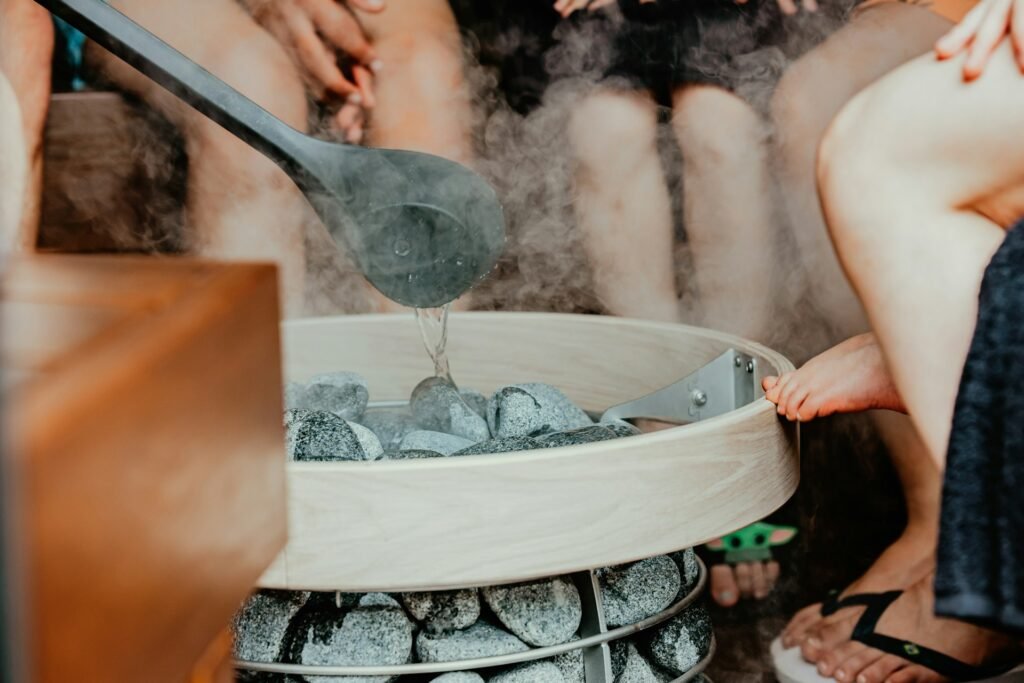
Contrast therapy is a therapeutic technique that involves alternating between exposure to hot and cold temperatures. The most common form involves alternating between a hot sauna or hot water immersion (typically 38-40°C or 100-104°F) and cold water immersion (typically 10-15°C or 50-59°F). The cycle is repeated multiple times, typically starting with heat and ending with cold.
The practice works by creating a powerful stimulus to your cardiovascular system. When you expose your body to heat, your blood vessels dilate (expand), increasing blood flow to the skin and muscles. When you then expose yourself to cold, your blood vessels constrict (narrow), reducing blood flow to the surface and redirecting it to your core and vital organs. This pumping action, repeated multiple times, creates what’s often called a “vascular flush” that dramatically improves circulation throughout your body.
The beauty of contrast therapy is its simplicity and accessibility. You don’t need expensive equipment or supplements—just access to hot and cold water. Whether you’re using a sauna and cold plunge, alternating between hot and cold showers, or using a hot tub and cold pool, the principle remains the same: the contrast between temperatures creates powerful physiological adaptations.
The Physiology Behind Contrast Therapy: How Your Body Responds
To understand why contrast therapy is so effective, it’s important to understand what happens in your body during the process. When you enter a hot sauna or hot water, several things happen simultaneously:
Cardiovascular Response: Your heart rate increases, blood vessels dilate, and blood flow to the skin increases dramatically. Your body is trying to cool itself down by moving blood to the surface where heat can be dissipated.
Hormonal Response: Heat exposure triggers the release of heat shock proteins, which are cellular repair molecules that help protect and repair damaged cells. Your body also releases endorphins, creating a sense of well-being and relaxation.
Metabolic Response: Heat increases your metabolic rate, meaning your body burns more calories. This increased metabolism can persist for hours after heat exposure.
When you then expose yourself to cold water, the opposite happens:
Cardiovascular Shock: Your blood vessels constrict rapidly, redirecting blood from the surface to your core. Your heart rate may initially increase even more as your body works to maintain core temperature.
Nervous System Activation: Cold exposure activates your parasympathetic nervous system (your “rest and digest” system) after the initial shock, promoting relaxation and recovery.
Metabolic Boost: Cold exposure activates brown adipose tissue (brown fat), which burns calories to generate heat. This metabolic boost can increase calorie burn for hours.
Inflammation Reduction: Cold exposure reduces inflammation by constricting blood vessels and reducing the flow of inflammatory compounds to affected tissues.
The key to contrast therapy’s effectiveness is the repeated cycle. Each transition between hot and cold creates a powerful stimulus that trains your cardiovascular system to become more efficient and resilient.
Science-Backed Benefits of Contrast Therapy
Research from leading sports science institutions has revealed numerous benefits of regular contrast therapy practice. Here are the most significant:
Accelerated Muscle Recovery: Multiple studies have shown that contrast therapy reduces muscle soreness (DOMS – Delayed Onset Muscle Soreness) and accelerates recovery after intense exercise. The improved circulation helps remove metabolic waste products from muscles more quickly.
Enhanced Athletic Performance: Athletes who regularly use contrast therapy show improved performance metrics, including increased strength, power output, and endurance. The training effect on your cardiovascular system translates to better oxygen delivery during exercise.
Improved Circulation: Contrast therapy is one of the most effective ways to improve overall circulation. The repeated vascular contractions and dilations train your blood vessels to become more responsive and efficient, improving blood flow throughout your body.
Reduced Inflammation: Both acute inflammation (from recent exercise) and chronic inflammation are reduced through regular contrast therapy. This is particularly beneficial for people with arthritis, autoimmune conditions, or chronic pain.
Enhanced Immune Function: Regular contrast therapy exposure has been shown to increase the production of white blood cells and other immune markers, strengthening your immune system’s ability to fight off illness.
Improved Mental Health: The combination of heat-induced relaxation and cold-induced mental toughness creates a powerful psychological benefit. Regular practitioners report reduced anxiety, improved mood, and better stress resilience.
Increased Metabolism: Both heat and cold exposure increase metabolic rate. Regular contrast therapy can contribute to improved body composition and weight management over time.
Better Sleep Quality: The relaxation response triggered by contrast therapy, particularly when done in the evening, can improve sleep quality and help with insomnia.
Improved Skin Health: Enhanced circulation brings more oxygen and nutrients to your skin, improving skin tone, texture, and overall appearance.
How to Practice Contrast Therapy: A Beginner’s Guide
The beauty of contrast therapy is that there are multiple ways to practice it, depending on your access to facilities and your comfort level. Here are the most common methods:
Method 1: Sauna and Cold Plunge (Most Effective)
This is the gold standard for contrast therapy. If you have access to a sauna and cold plunge pool (or can use a gym that offers both), this is the most effective method:
- Start with 3-5 minutes in a sauna at 80-90°C (176-194°F)
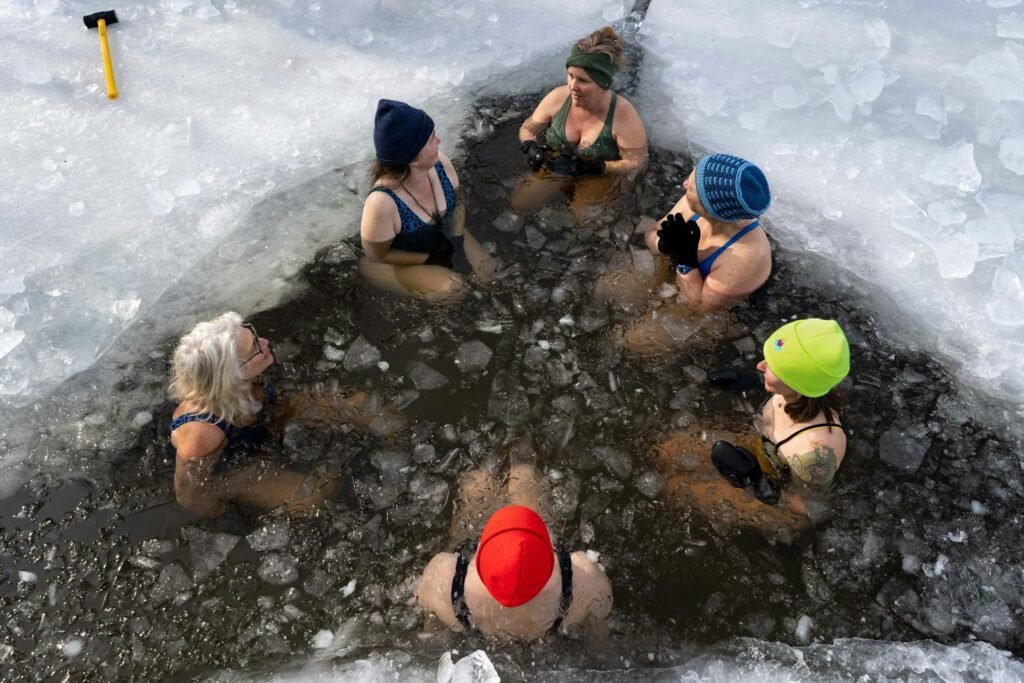
- Exit the sauna and immediately immerse yourself in cold water (10-15°C or 50-59°F) for 1-3 minutes
- Return to the sauna for another 3-5 minutes
- Return to the cold plunge for 1-3 minutes
- Repeat this cycle 3-5 times
- End with a final cold immersion to activate the parasympathetic nervous system
Method 2: Hot and Cold Showers
If you don’t have access to a sauna and cold plunge, hot and cold showers are an excellent alternative:
- Start with 2-3 minutes of hot water (as hot as you can comfortably tolerate)
- Switch to cold water for 30-60 seconds
- Return to hot water for 2-3 minutes
- Switch to cold water for 30-60 seconds
- Repeat this cycle 3-5 times
- End with a final cold rinse
Method 3: Hot Tub and Cold Pool
If you have access to a hot tub and cold pool (many gyms and resorts offer this):
- Spend 5-10 minutes in the hot tub (38-40°C or 100-104°F)
- Move to the cold pool for 2-3 minutes (15-20°C or 59-68°F)
- Return to the hot tub for 5-10 minutes
- Return to the cold pool for 2-3 minutes
- Repeat 3-5 times
Method 4: Ice Bath and Warm Shower
For the most intense cold exposure:
- Prepare an ice bath (10-15°C or 50-59°F)
- Spend 2-3 minutes in the ice bath
- Take a warm (not hot) shower for 5-10 minutes
- Return to the ice bath for 2-3 minutes
- Repeat 2-3 times
The Optimal Contrast Therapy Protocol for Maximum Results
Based on scientific research, here’s the most effective protocol for contrast therapy:
Frequency: 2-3 times per week for optimal results. More frequent exposure doesn’t necessarily produce better results and may increase injury risk.
Duration: Each cycle should last 15-25 minutes total (including both hot and cold phases).
Temperature: Hot phase 38-40°C (100-104°F), cold phase 10-15°C (50-59°F). Beginners should start with less extreme temperatures.
Timing: Best performed after intense exercise (within 1-2 hours) for recovery benefits, or in the evening for relaxation benefits.
Number of Cycles: 3-5 cycles per session. More cycles don’t necessarily produce better results.
Duration of Each Phase: Hot phase 3-5 minutes, cold phase 1-3 minutes. Beginners should start with shorter cold phases.

Safety Considerations: Who Should Avoid Contrast Therapy
While contrast therapy is generally safe for most people, there are some important precautions:
Who Should Avoid Contrast Therapy:
Pregnant women should avoid contrast therapy, particularly extreme temperature contrasts, as it may affect fetal development.
People with cardiovascular conditions (heart disease, high blood pressure, arrhythmias) should consult with their doctor before practicing contrast therapy, as the extreme cardiovascular stress may be dangerous.
People with acute injuries or inflammation should avoid contrast therapy until the acute phase has passed.
People with certain skin conditions may find that extreme temperatures exacerbate their condition.
Safety Tips for Beginners:
Start with less extreme temperatures. If you’re new to contrast therapy, begin with warm and cool water rather than hot and cold.
Start with shorter durations. Begin with 1-2 minute cold exposures rather than 3 minutes.
Never practice contrast therapy alone, especially when using extreme temperatures. Always have someone nearby in case of emergency.
Stay hydrated. Contrast therapy causes significant fluid loss through sweating. Drink plenty of water before, during, and after your session.
Listen to your body. If you feel dizzy, nauseous, or experience chest pain, exit immediately and seek medical attention.
Avoid alcohol before or after contrast therapy. Alcohol impairs your body’s ability to regulate temperature.
Don’t practice contrast therapy if you’re sick or have a fever. Your body is already stressed.
Contrast Therapy vs. Other Recovery Methods
How does contrast therapy compare to other popular recovery techniques?
Contrast Therapy vs. Ice Baths Alone: While ice baths reduce inflammation, contrast therapy provides superior overall recovery benefits by improving circulation and activating multiple physiological systems.
Contrast Therapy vs. Saunas Alone: While saunas provide relaxation and some recovery benefits, contrast therapy produces superior cardiovascular training and inflammation reduction.
Contrast Therapy vs. Massage: Both are effective recovery tools, but they work through different mechanisms. Contrast therapy improves circulation, while massage mechanically manipulates tissue. Many athletes use both.
Contrast Therapy vs. Compression Therapy: Compression therapy is effective for reducing swelling, but contrast therapy provides superior overall recovery benefits and is more accessible.
Contrast Therapy vs. Sleep: Sleep is absolutely essential for recovery, and contrast therapy should never replace adequate sleep. However, contrast therapy can improve sleep quality when practiced in the evening.

The Path to Faster Recovery Starts with Contrast Therapy
Contrast therapy is one of the most scientifically-validated recovery techniques available, and it’s accessible to almost everyone. Whether you’re an elite athlete, a fitness enthusiast, or simply someone seeking to optimize your health and recovery, contrast therapy can provide significant benefits.
The key is consistency. Like any training technique, contrast therapy produces better results with regular practice. Start conservatively with less extreme temperatures and shorter durations, gradually building up as your body adapts. Within a few weeks of regular practice, you should notice significant improvements in recovery speed, reduced muscle soreness, and improved overall well-being.
The combination of improved circulation, reduced inflammation, enhanced immune function, and psychological benefits makes contrast therapy one of the most comprehensive recovery tools available. By implementing contrast therapy into your routine 2-3 times per week, you’re investing in your long-term health, performance, and quality of life.
Your recovery is just as important as your training. Start your contrast therapy journey today and experience the transformative power of hot and cold immersion.
Pingback: Dopamine Detox: The Science-Backed Guide to Reset Your Brain's Reward System -
Pingback: Emotional Fitness: The Science of Mental Resilience & Emotional Health in 2026 -
Pingback: Metabolic Flexibility: The Science-Backed Guide to Burning Fat for Fuel and Sustained Energy -
Pingback: Sleep Biohacking: The Science-Backed Guide to Deep Sleep and Peak Recovery in 2026 -