
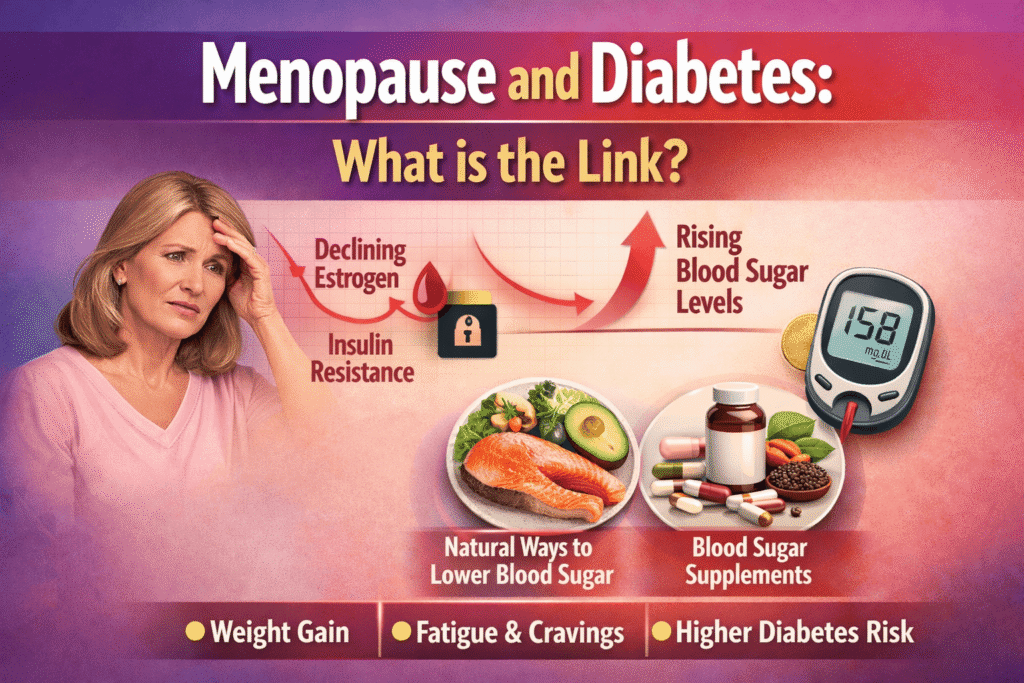
Many women are surprised to discover that menopause and diabetes are closely connected. Blood sugar regulation is strongly influenced by hormones, and as estrogen levels decline during menopause, the body’s metabolic balance can change in significant ways.
During the reproductive years, estrogen plays a protective role in metabolic health. It supports insulin sensitivity, helps regulate fat distribution, and contributes to stable energy metabolism. But when menopause begins and estrogen levels fluctuate and eventually decline, the body often becomes more prone to insulin resistance, blood sugar swings, and metabolic changes.
For some women, these changes are mild and manageable. For others, they can increase the risk of developing prediabetes or type 2 diabetes, especially if other risk factors such as sedentary lifestyle, chronic stress, poor sleep, or dietary imbalances are present.
Understanding the relationship between Blood Sugar and Menopause is an essential step toward protecting long-term health. With the right lifestyle strategies, nutritional support, and metabolic awareness, it is entirely possible to maintain stable blood sugar and feel energetic and balanced throughout midlife.
Why Menopause Affects Blood Sugar
To understand the connection between menopause and diabetes, it helps to look at the hormonal changes happening inside the body.
Estrogen interacts directly with several systems that regulate metabolism. It influences how cells respond to insulin, how fat is stored in the body, and how the liver manages glucose production. When estrogen declines, these metabolic systems may become less efficient.
Several physiological shifts commonly occur during menopause:
- Reduced insulin sensitivity
- Increased abdominal fat accumulation
- Changes in appetite regulation
- Slower metabolic rate
- Greater inflammation in metabolic tissues
These shifts can lead to higher fasting glucose levels and greater blood sugar fluctuations after meals, even in women who previously had stable metabolic health.
Research published by the National Institute on Aging highlights that hormonal changes during menopause can significantly influence metabolic risk factors such as insulin resistance and abdominal fat distribution. Learn More
This does not mean menopause causes diabetes directly, but it does create a metabolic environment where blood sugar regulation becomes more sensitive to lifestyle factors.
Menopause and Blood Sugar Control
One of the most common complaints women experience during menopause is a sudden change in energy levels. Many report feeling:
- tired after meals
- hungry more frequently
- prone to sugar cravings
- mentally foggy in the afternoon
These symptoms are often linked to blood sugar instability.
When insulin sensitivity decreases, the body requires more insulin to move glucose into cells. As a result, blood sugar may rise higher after meals and drop more dramatically later, creating a cycle of energy spikes and crashes.
This pattern can also influence other menopause symptoms. Blood sugar swings may worsen:
- fatigue
- mood changes
- cravings
- weight gain around the abdomen
- sleep disruption
The relationship between Menopause blood sugar regulation and daily habits becomes especially important at this stage of life. Small improvements in nutrition, movement, and metabolic support can make a significant difference in stabilizing glucose levels and improving overall well-being.
Insulin Resistance After 40: Why Risk Increases
The years surrounding menopause are sometimes called a metabolic turning point. Many women notice that strategies that once worked for weight management or energy no longer produce the same results.
This shift is partly explained by the development of insulin resistance.
Insulin resistance occurs when cells become less responsive to insulin’s signal to absorb glucose. When this happens, the pancreas compensates by producing more insulin, which can lead to higher circulating insulin levels and increased fat storage.
Over time, persistent insulin resistance can progress toward prediabetes or type 2 diabetes.
Several menopause-related factors contribute to this risk:
Hormonal decline
Lower estrogen reduces the efficiency of insulin signaling in muscle and liver tissue.
Changes in body composition
Many women accumulate more visceral fat around the abdomen, which is metabolically active and linked to insulin resistance.
Sleep disruption
Hot flashes and nighttime awakenings can impair glucose metabolism.
Chronic stress
Elevated cortisol levels can increase blood sugar production in the liver.
These factors help explain why the prevalence of type 2 diabetes rises significantly in women after the age of 45.
Natural Ways to Lower Blood Sugar
Supporting blood sugar health during menopause does not require extreme diets or restrictive eating patterns. In fact, many experts emphasize that sustainable lifestyle habits are the most powerful tools for metabolic stability.
A detailed guide to these strategies can be found here: 3 Natural Ways to Support Healthy Blood Sugar in 2026
Below is a simplified overview of the key principles.
Balanced nutrition
Meals that combine protein, fiber, and healthy fats help slow the absorption of carbohydrates and prevent rapid glucose spikes. Highly refined carbohydrates and sugary snacks tend to create sharp fluctuations in blood sugar, which can worsen energy crashes and cravings.
Daily movement
Physical activity improves insulin sensitivity by encouraging muscles to use glucose for energy. Even moderate activities such as walking after meals or resistance training a few times per week can significantly improve metabolic flexibility.
Stress and sleep management
Chronic stress increases cortisol, a hormone that raises blood sugar levels. Prioritizing sleep, relaxation practices, and stress-reducing habits can help restore metabolic balance.
These strategies form the foundation of Natural ways to lower blood sugar, particularly during hormonal transitions like menopause.
Nutritional Care During Menopause
Nutrition becomes one of the most powerful tools for maintaining metabolic health during midlife. Rather than focusing only on calorie restriction, experts increasingly emphasize nutrient quality and metabolic balance.
Women in menopause benefit from meals that support:
- stable blood sugar
- muscle preservation
- hormone balance
- reduced inflammation
Key nutrients often highlighted include protein, fiber, omega-3 fats, magnesium, and antioxidants.
Why breakfast matters for blood sugar
One of the most overlooked factors in metabolic health is the first meal of the day.
Starting the morning with a balanced breakfast helps regulate glucose levels throughout the day. Meals that contain adequate protein and fiber slow carbohydrate absorption and help prevent mid-morning cravings.
Research shows that protein-rich breakfasts may reduce appetite hormones and improve glycemic control compared to high-sugar breakfast foods.
A deeper explanation of this strategy can be found here: Best Breakfast for Blood Sugar Stability in Women 40+.
Women who shift from sugary breakfast options toward protein-centered meals often report improved energy, fewer cravings, and more stable mood during menopause.
Best Blood Sugar Control Supplement
Lifestyle strategies remain the most important foundation of metabolic health, but some women explore supplements to help support healthy glucose balance.
The best blood sugar control supplement is typically one that combines several evidence-supported ingredients known to influence insulin sensitivity and metabolic function.
Common ingredients found in blood sugar support formulas include:
- cinnamon extract
- chromium
- berberine
- gymnema sylvestre
- alpha-lipoic acid
- bitter melon
These compounds have been studied for their potential ability to support glucose metabolism, improve insulin signaling, and reduce oxidative stress associated with metabolic disorders.
One product that has received attention in this category is Sugar Defender, a formula designed to support healthy glucose regulation using plant-based ingredients.
A complete ingredient analysis and scientific breakdown is available here: Sugar Defender Review.
While supplements can provide supportive benefits, they should always be viewed as a complement to lifestyle strategies, not a replacement for healthy nutrition, physical activity, and medical guidance.
Lifestyle Habits That Protect Metabolic Health
Maintaining stable blood sugar during menopause often depends on small daily habits practiced consistently over time.
Several lifestyle strategies are frequently recommended by metabolic health researchers.
Strength training
Muscle tissue acts as a major storage site for glucose. Increasing muscle mass through resistance training can improve insulin sensitivity and reduce blood sugar spikes after meals.
Walking after meals
A short walk after eating can significantly improve glucose control. Even 10–15 minutes of movement helps muscles absorb circulating glucose more efficiently.
Managing visceral fat
Abdominal fat is closely linked with insulin resistance. Strategies that reduce visceral fat — including improved nutrition and resistance training — can improve metabolic health.
Consistent meal timing
Long gaps between meals followed by large carbohydrate intake can contribute to blood sugar spikes. Consistent eating patterns help regulate insulin and energy levels.
These habits create a metabolic environment that supports healthy glucose regulation even during hormonal changes.
Warning Signs of Blood Sugar Imbalance During Menopause
Women sometimes attribute metabolic symptoms solely to menopause, without realizing that blood sugar instability may be involved.
Common warning signs include:
- strong sugar cravings
- fatigue after eating
- increased belly fat
- frequent hunger
- difficulty concentrating
- afternoon energy crashes
If these symptoms occur regularly, it may be helpful to evaluate lifestyle patterns and discuss metabolic health with a healthcare professional.
Early awareness allows women to implement supportive strategies before metabolic issues progress further.
Long-Term Health: Why Prevention Matters
The connection between menopause and diabetes highlights the importance of prevention.
Type 2 diabetes does not develop overnight. It usually emerges gradually through years of insulin resistance, metabolic stress, and lifestyle imbalances.
The encouraging news is that the same habits that stabilize blood sugar also support overall well-being during menopause:
- balanced nutrition
- regular movement
- quality sleep
- stress management
- targeted metabolic support
These strategies not only improve glucose control but also help reduce the risk of cardiovascular disease, cognitive decline, and chronic inflammation.
Midlife can therefore become a powerful opportunity to reset metabolic health and build long-term resilience.
FAQ
Does menopause increase the risk of diabetes?
Yes, the hormonal changes associated with menopause can increase the risk of insulin resistance and metabolic dysfunction. Declining estrogen levels influence how the body processes glucose, making blood sugar control more sensitive to lifestyle habits.
Why does blood sugar become harder to control during menopause?
Estrogen helps regulate insulin sensitivity. When estrogen declines, the body may require more insulin to manage glucose, which can lead to blood sugar fluctuations and increased metabolic risk.
What are natural ways to lower blood sugar during menopause?
Natural strategies include balanced meals with protein and fiber, regular physical activity, improved sleep, and stress management. These lifestyle habits support insulin sensitivity and help stabilize glucose levels.
Can supplements help with menopause blood sugar control?
Some supplements contain ingredients that may support glucose metabolism, such as cinnamon extract, chromium, or berberine. Products like Sugar Defender combine several plant-based ingredients designed to support metabolic balance, though supplements should always complement a healthy lifestyle.
What is the best breakfast for stable blood sugar after 40?
A breakfast rich in protein and fiber is often recommended. Options such as eggs, Greek yogurt, nuts, or balanced smoothies can help slow glucose absorption and maintain stable energy levels throughout the morning.
Is it possible to prevent diabetes during menopause?
Yes. Many cases of type 2 diabetes can be prevented or delayed through lifestyle strategies that improve insulin sensitivity. Maintaining a healthy diet, staying physically active, managing stress, and supporting metabolic health are key preventive measures.
Final Thoughts
The relationship between menopause and diabetes reflects the powerful influence hormones have on metabolic health. As estrogen levels decline, the body becomes more sensitive to lifestyle factors that affect blood sugar regulation.
The good news is that women have many effective tools available. By focusing on balanced nutrition, consistent movement, and supportive metabolic habits, it is possible to maintain stable energy and healthy glucose levels throughout menopause and beyond.
Understanding the connection between Blood Sugar and Menopause empowers women to take proactive steps toward long-term health, ensuring that midlife becomes not a period of metabolic decline, but an opportunity for renewal and resilience.
Internal Hub: Blood Sugar and Menopause: A Practical Guide for Women 40+.