
Welcome to the ultimate guide on vagal tone—a powerful yet often overlooked aspect of your nervous system that directly impacts your stress levels, mental health, and overall well-being. If you’ve been struggling with anxiety, poor digestion, or difficulty managing stress, the answer might lie in understanding and improving your vagal tone. In this comprehensive guide, we’ll explore what vagal tone is, why it matters, and most importantly, how you can strengthen it using science-backed techniques that you can start implementing today.
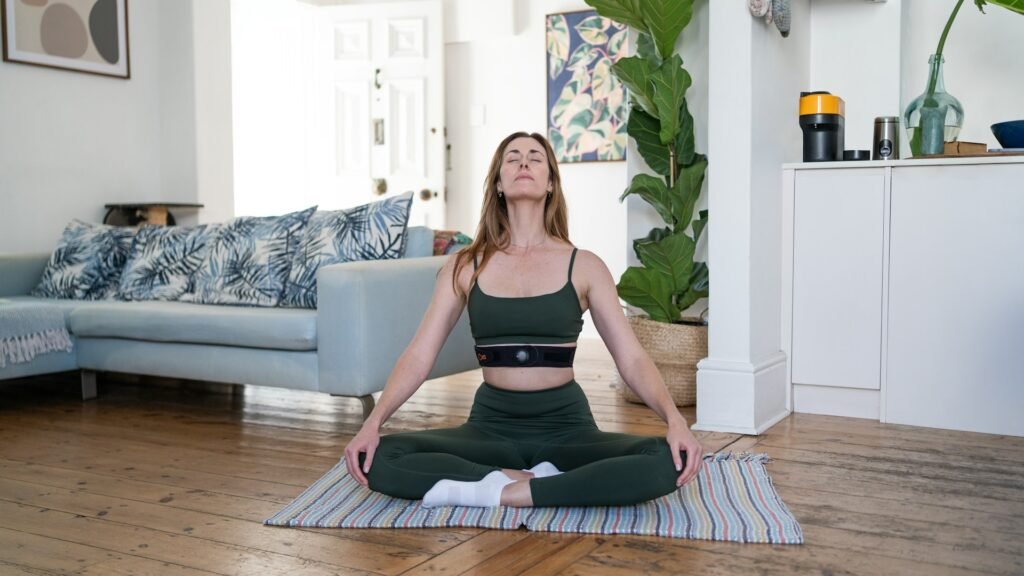
What is Vagal Tone? Understanding the Basics
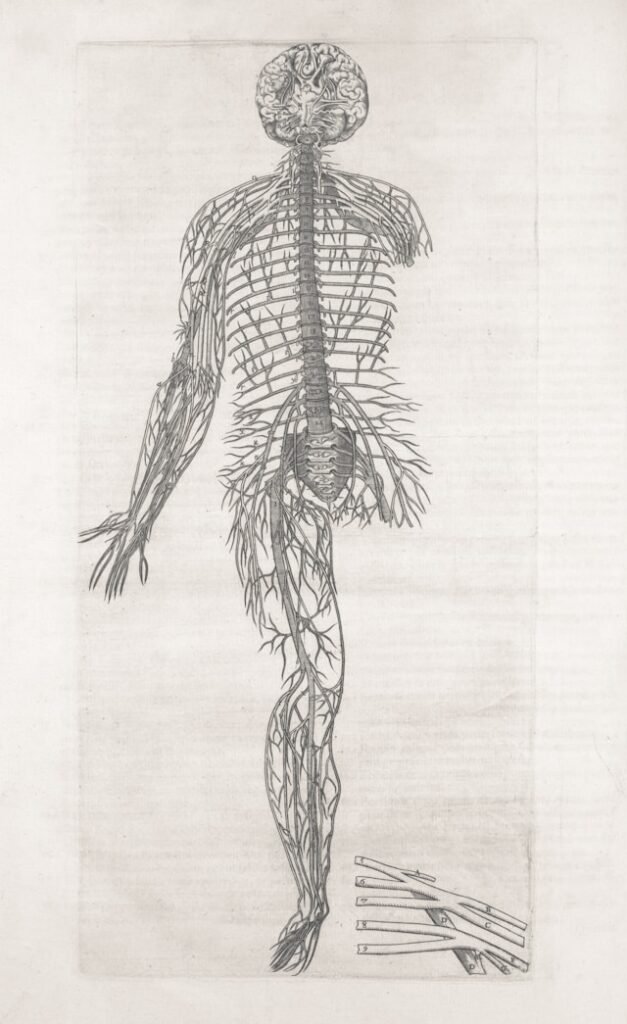
Your vagus nerve is the longest cranial nerve in your body, extending from your brain all the way down to your gut. The term “vagal tone” refers to how efficiently and effectively your vagus nerve is functioning. Think of it as a measure of your nervous system’s ability to regulate itself and shift between states of activation and relaxation.
Vagal tone is measured indirectly through something called Heart Rate Variability (HRV)—the variation in time between your heartbeats. When your HRV is high, it indicates that your vagus nerve is functioning well and your parasympathetic nervous system (your body’s “rest and digest” system) is active. Conversely, low HRV suggests that your sympathetic nervous system (your “fight or flight” system) might be dominating, which is often associated with stress and anxiety.
The vagus nerve is essentially your body’s communication highway. It carries signals from your brain to your organs, controlling critical functions like heart rate, digestion, inflammation levels, and even your mood. When your vagal tone is strong, your body can efficiently activate the parasympathetic nervous system, allowing you to recover from stress more quickly and maintain better overall health. This is why improving vagal tone has become such a focus for health professionals and wellness enthusiasts alike.
The Science Behind Vagal Tone: Health Benefits You Need to Know
Research from leading medical institutions like Cleveland Clinic and Massachusetts General Hospital has revealed that high vagal tone is associated with numerous health benefits that extend far beyond simple stress relief. Understanding these benefits can help you appreciate why investing time in improving your vagal tone is one of the best health decisions you can make.
Lower Resting Heart Rate and Blood Pressure: When your vagal tone improves, your resting heart rate naturally decreases, and your blood pressure becomes more stable. This is because your parasympathetic nervous system is more active, signaling your heart to work more efficiently. Over time, this reduces the strain on your cardiovascular system and promotes better heart health.
Enhanced Stress Management: High vagal tone gives your body a better ability to shift out of the stress response. Instead of remaining in a heightened state of alert, your nervous system can more quickly return to a calm state. This means you’ll experience less anxiety, fewer panic attacks, and a greater sense of emotional control throughout your day.
Improved Digestion and Gut Health: The vagus nerve directly controls your digestive system. When vagal tone is high, your body produces more stomach acid, digestive enzymes, and bile—all essential for breaking down food and absorbing nutrients. People with high vagal tone typically experience better digestion, fewer bloating issues, and improved gut health overall.
Reduced Inflammation: Chronic inflammation is at the root of many modern diseases. The vagus nerve plays a crucial role in what’s called the “inflammatory reflex,” which helps regulate your immune response. High vagal tone means your body can better control inflammatory responses, protecting you from conditions like arthritis, autoimmune diseases, and metabolic dysfunction.
Better Emotional Regulation: Your vagus nerve is directly connected to your emotional processing centers in the brain. When vagal tone is strong, you have better emotional regulation, improved mood, and a greater capacity to handle difficult emotions without becoming overwhelmed. This is why vagal tone exercises are increasingly recommended for anxiety and depression management.
Enhanced Cognitive Function: Studies have shown that high vagal tone is associated with better focus, improved memory, and enhanced cognitive performance. This is because your parasympathetic nervous system supports the brain regions responsible for attention and learning.
Better Sleep Quality: When your vagal tone is high, your body can more easily transition into the parasympathetic state that’s necessary for quality sleep. This means falling asleep more easily, sleeping more deeply, and waking up more refreshed.
Signs You Have Low Vagal Tone
Before we dive into solutions, it’s important to recognize whether low vagal tone might be affecting you. While the only definitive way to measure vagal tone is through HRV testing, there are several signs that suggest your vagal tone might need improvement.
A consistently high resting heart rate (above 80 bpm at rest) is one of the most common indicators of low vagal tone. If you find yourself constantly stressed, anxious, or unable to relax even when there’s no immediate threat, this suggests your sympathetic nervous system is overactive. Other signs include difficulty managing stress, frequent panic attacks, poor digestion with bloating or constipation, chronic inflammation or pain, difficulty sleeping, poor emotional regulation, and difficulty recovering from exercise or illness.
If several of these signs resonate with you, the good news is that vagal tone is not fixed—it’s something you can actively improve through consistent practice of the techniques we’re about to explore.
8 Proven Ways to Increase Vagal Tone
Now that you understand what vagal tone is and why it matters, let’s explore eight science-backed techniques you can use to strengthen your vagus nerve and improve your overall health and mental clarity.
1. Deep Breathing and Diaphragmatic Breathing
One of the most powerful and accessible ways to stimulate your vagus nerve is through deep breathing. When you breathe deeply and slowly, you activate your parasympathetic nervous system, which directly stimulates the vagus nerve. The key is to focus on diaphragmatic breathing—breathing from your belly rather than your chest.
The most effective breathing technique for vagal tone is the 4-7-8 breathing method: inhale through your nose for a count of 4, hold your breath for a count of 7, and exhale through your mouth for a count of 8. The extended exhale is particularly important because it directly stimulates the vagus nerve. Practice this for 5-10 minutes daily, preferably in the morning or when you feel stressed.
Another excellent technique is box breathing: inhale for 4 counts, hold for 4 counts, exhale for 4 counts, and hold for 4 counts. Repeat this cycle for 5-10 minutes. Both of these techniques have been scientifically shown to reduce cortisol levels, lower heart rate, and improve HRV within minutes of practice.
2. Cold Water Exposure
Cold water exposure is one of the most potent vagal tone stimulators available, though it might sound intimidating at first. When you expose your face to cold water, you trigger what’s called the “cold face test” or “dive response,” which immediately activates your vagus nerve and shifts your nervous system into parasympathetic mode.
Start simple: splash cold water on your face for 15-30 seconds, or hold your face under cold running water. This immediate activation of the vagus nerve can lower your heart rate by 10-15 beats per minute and create a profound sense of calm. As you become more comfortable, you can progress to cold showers (30-60 seconds) or even ice baths (advanced technique).
The beauty of cold water exposure is that it works immediately—you’ll feel a shift in your nervous system within seconds. Regular practice (3-4 times per week) can lead to significant improvements in your ability to manage stress and anxiety.
3. Humming, Singing, and Gargling
This might sound unusual, but vocalization is one of the most direct ways to stimulate your vagus nerve. The vagus nerve controls the muscles of your vocal cords, and when you hum, sing, or gargle, you create vibrations that directly stimulate the nerve.
Try this simple exercise: hum for 5-10 minutes daily. You can hum while doing other activities—in the shower, while driving, or while working. The vibrations from humming directly activate your vagus nerve and can produce an immediate sense of calm. Singing has the same effect—whether you’re singing in the car, shower, or with friends, you’re actively strengthening your vagal tone.
Gargling is another simple technique: gargle with water for 30 seconds, focusing on creating strong vibrations in the back of your throat. This directly stimulates the vagus nerve and can be done multiple times throughout the day. These vocalization techniques are so effective because they create direct mechanical stimulation of the vagus nerve.
4. Meditation and Mindfulness
Meditation is a powerful tool for activating your parasympathetic nervous system and building long-term vagal tone. When you meditate, you’re training your nervous system to remain calm and focused, which directly strengthens your vagus nerve over time.
Start with just 5-10 minutes of guided meditation daily. There are numerous apps and YouTube videos available for free. The key is consistency—even 10 minutes daily is more effective than occasional longer sessions. As you practice, you’ll notice that your resting heart rate decreases, your ability to manage stress improves, and your overall sense of well-being increases.
Mindfulness practices, where you focus on being present without judgment, have been shown to significantly increase HRV and improve vagal tone. The combination of meditation and mindfulness creates a powerful foundation for nervous system health.
5. Regular Exercise
Physical exercise is one of the most effective ways to build long-term vagal tone. When you exercise regularly, you’re training your cardiovascular system and your nervous system to work more efficiently. Aerobic exercise—like walking, running, cycling, or swimming—is particularly effective for improving HRV and vagal tone.
The key is consistency rather than intensity. Even 30 minutes of moderate exercise, 4-5 times per week, can significantly improve your vagal tone. Yoga and stretching are also excellent for vagal tone because they combine physical movement with mindfulness and breathing, creating a comprehensive nervous system workout.
As your fitness improves and your vagal tone strengthens, you’ll notice that your resting heart rate decreases, your recovery from exercise improves, and your overall stress resilience increases.
6. Massage and Neck Stimulation
The vagus nerve passes through your neck, and gentle massage in this area can directly stimulate the nerve. You can perform self-massage by gently rubbing the sides of your neck, starting from behind your ears and moving down toward your collarbone. Spend 2-3 minutes on each side, using gentle circular motions.
Professional massage, particularly neck and shoulder massage, can also be highly effective for vagal tone. Many people find that regular massage sessions significantly improve their stress levels and overall well-being. The physical stimulation of the vagus nerve through massage creates immediate relaxation and, with regular practice, builds long-term vagal tone.
7. Gut Health and Probiotics
Your gut and your brain are connected through the vagus nerve—this is called the gut-brain axis. When your gut microbiome is healthy and diverse, it sends positive signals through the vagus nerve to your brain, improving mood, reducing anxiety, and strengthening vagal tone.
To support your gut health and vagal tone, focus on eating fermented foods like yogurt, kefir, sauerkraut, and kimchi. These foods contain beneficial bacteria that support a healthy microbiome. Additionally, eat plenty of fiber-rich foods like vegetables, fruits, and whole grains, which feed beneficial bacteria in your gut.
Probiotic supplements can also be helpful, though whole food sources are generally preferred. By supporting your gut health, you’re directly supporting your vagal tone and your mental health.
8. Social Connection and Laughter
This might be the most enjoyable vagal tone technique: spending time with people you care about and laughing. Social connection and laughter directly activate your vagus nerve and shift your nervous system into parasympathetic mode. When you’re with people you love, your body naturally produces more oxytocin, which further supports vagal tone.
Make time for meaningful social interactions, join groups or communities aligned with your interests, and don’t underestimate the power of laughter. Watching comedy, spending time with funny friends, or even forcing yourself to smile and laugh can activate your vagus nerve and improve your mood immediately.

Your 10-Minute Daily Vagal Tone Routine
To make this practical, here’s a simple 10-minute routine you can do daily to strengthen your vagal tone:
Minutes 0-3: Breathing Exercise. Start with 4-7-8 breathing or box breathing. Focus on slow, deep breaths from your diaphragm.
Minutes 3-5: Humming or Singing. Spend 2 minutes humming, singing, or gargling to directly stimulate your vagus nerve.
Minutes 5-6: Cold Water Exposure. Splash cold water on your face or take a brief cold shower to activate your vagus nerve.
Minutes 6-10: Meditation or Mindfulness. Finish with 4 minutes of guided meditation or mindfulness practice to consolidate the benefits.
Perform this routine daily, preferably in the morning, to build consistent vagal tone improvement. You should notice benefits within the first week—better stress management, improved mood, and better sleep.

Common Mistakes When Improving Vagal Tone
While improving vagal tone is straightforward, there are several mistakes that can slow your progress. Overdoing cold exposure, especially when you’re first starting, can create stress rather than relief. Start gradually and work your way up. Inconsistent practice is another common mistake—vagal tone building requires consistency, so daily practice is more effective than occasional intense sessions.
Ignoring stress management outside of these exercises, maintaining poor sleep habits, eating an inflammatory diet, and neglecting social connection can all undermine your vagal tone improvement. Remember that vagal tone is built through a holistic approach to health and wellness.
The Path to Better Health Starts with Your Vagus Nerve
Your vagus nerve is truly a gateway to better health, reduced anxiety, improved digestion, and enhanced mental clarity. By understanding what vagal tone is and implementing these eight science-backed techniques, you’re taking control of your nervous system and your health.
Start with just one or two techniques—perhaps breathing exercises and humming—and gradually add more as they become habits. Within a few weeks of consistent practice, you should notice significant improvements in your stress levels, sleep quality, and overall well-being. Your vagal tone is not fixed; it’s something you can actively build and strengthen throughout your life.
The journey to better health and mental clarity starts with a single breath. Begin today, stay consistent, and watch as your improved vagal tone transforms your life. Your nervous system—and your entire body—will thank you for it.
Pingback: Contrast Therapy Benefits: Science-Backed Guide to Hot & Cold Immersion for Recovery & Performance -
Pingback: Dopamine Detox: The Science-Backed Guide to Reset Your Brain's Reward System -
Pingback: Sleep Biohacking: The Science-Backed Guide to Deep Sleep and Peak Recovery in 2026 -
Pingback: Emotional Fitness: 5 Steps to Build Mental Resilience & Strength
Pingback: The Neuroscience of Manifestation: 5 Powerful Steps to Success